
Our Approach
Reviving Britain's forgotten culinary heritage through scholarly research, traditional techniques, and contemporary sensibilities.
Our Mission
Lanevora Supper House was founded with a singular purpose: to rediscover, research, and revitalize the forgotten culinary treasures of Britain's past. Our mission extends beyond mere reproduction of old recipes—we aim to contextualize these dishes within their historical and cultural landscapes, creating meaningful connections between contemporary diners and centuries of British culinary tradition.
We believe that by understanding our gastronomic past, we gain insight into cultural values, regional identities, and the evolution of taste. Each menu at Lanevora represents months of scholarly research, technical practice, and ingredient sourcing to create an authentic yet accessible experience of historical British cookery.
The Research Process

Primary Sources
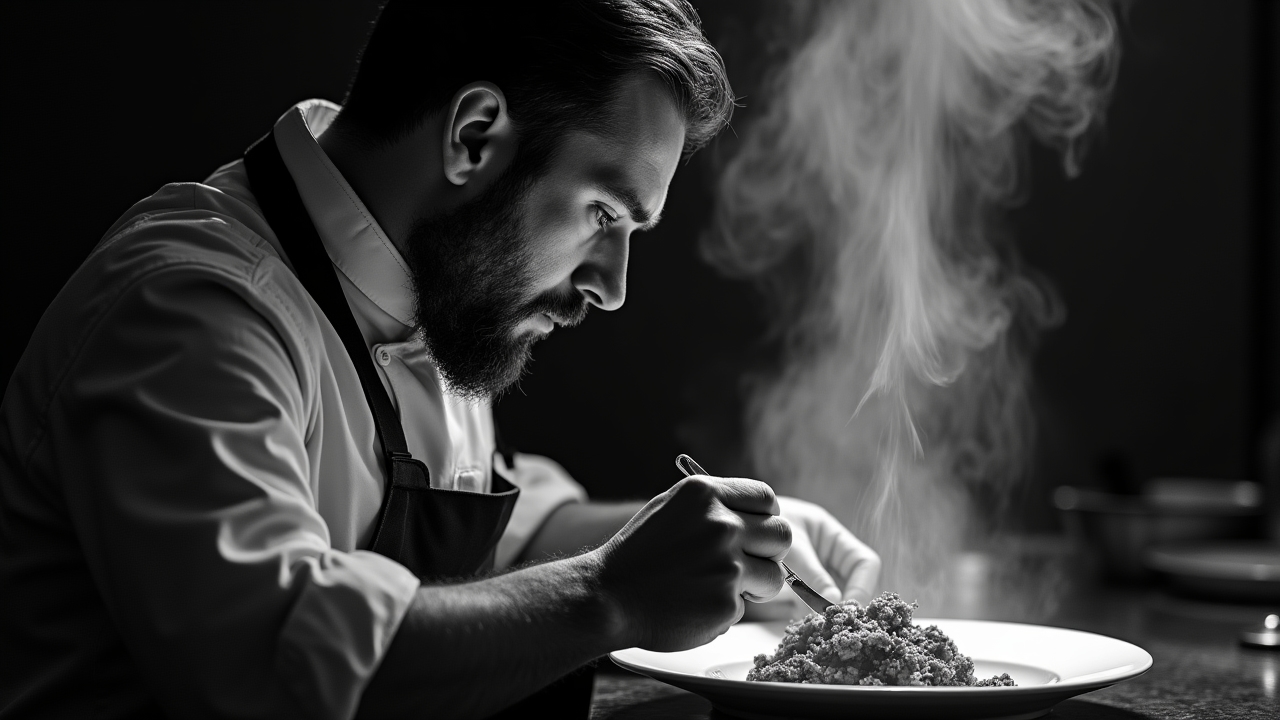
Our research begins with primary documents—handwritten recipe books, household accounts, and published cookery texts spanning from medieval manuscripts to Victorian household guides. We work with archivists, historians, and private collections to access materials that provide authentic insights into the evolution of British cookery.
Archaeological Evidence
Beyond written records, we examine archaeological findings that reveal cooking implements, food remains, and dining arrangements from different periods. This physical evidence provides crucial context for understanding how food was prepared, served, and consumed throughout Britain's history.
Oral Histories
For more recent historical dishes, we collect oral histories from elder generations who recall regional specialties and cooking techniques that never made it into published works. These living memories preserve culinary knowledge that might otherwise disappear entirely.
Recipe Reconstruction
The challenging work of recreating historical recipes involves deciphering archaic measurements, interpreting vague instructions, and understanding period techniques. We test multiple iterations of each dish, gradually refining our approach to balance historical accuracy with contemporary expectations.
Cooking Methodology
Menus as Historical Narratives
Each Lanevora menu tells a coherent story through its progression of dishes. Rather than assembling disparate historical recipes, we create thematic experiences that illuminate specific aspects of British culinary history.
The Greeting (Aperitif)
Historical beverages—from medieval hypocras to Georgian punches—introduce the evening's theme and prepare the palate for the journey ahead.
The Opening (Starter)
First courses establish historical context through dishes that represent foundational cooking techniques or emblematic ingredients of the period being explored.
The Heart (Main)
Main courses showcase the central culinary innovations or distinctive characteristics of the historical period or regional tradition being featured.
The Sweet (Pudding)
Historical desserts often reveal surprising complexity and sophistication, challenging preconceptions about British sweet courses.
The Farewell (Digestif)
The evening concludes with period-appropriate digestives and small confections that complete the historical narrative.
Notable Historical Recoveries
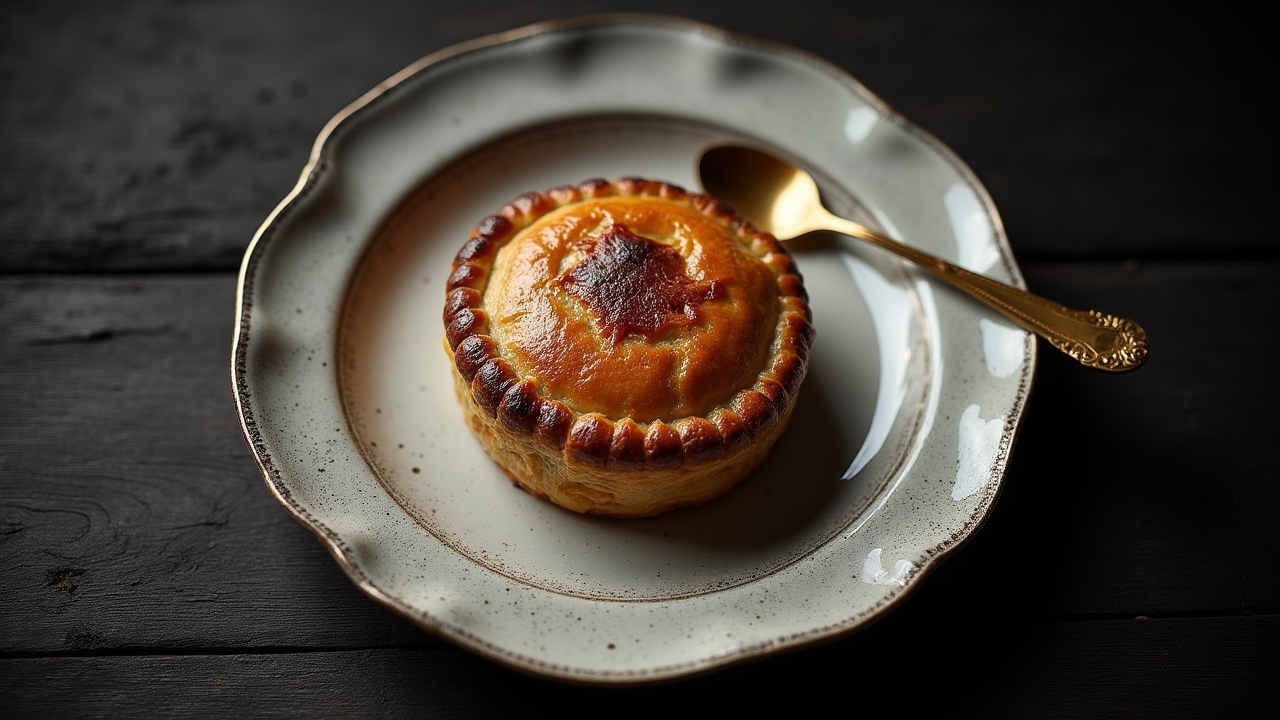
Lumber Pie (17th Century)
This forgotten delicacy—documented in Robert May's 1685 "The Accomplisht Cook"—combines veal, fruits, and spices in a rich, complex preparation that exemplifies the sophisticated flavor combinations of Stuart-era English cookery. The name derives from "Lombard," reflecting Italian influence on English cuisine following the Renaissance. Our research revealed multiple regional variations, each offering insight into local adaptations of continental techniques.
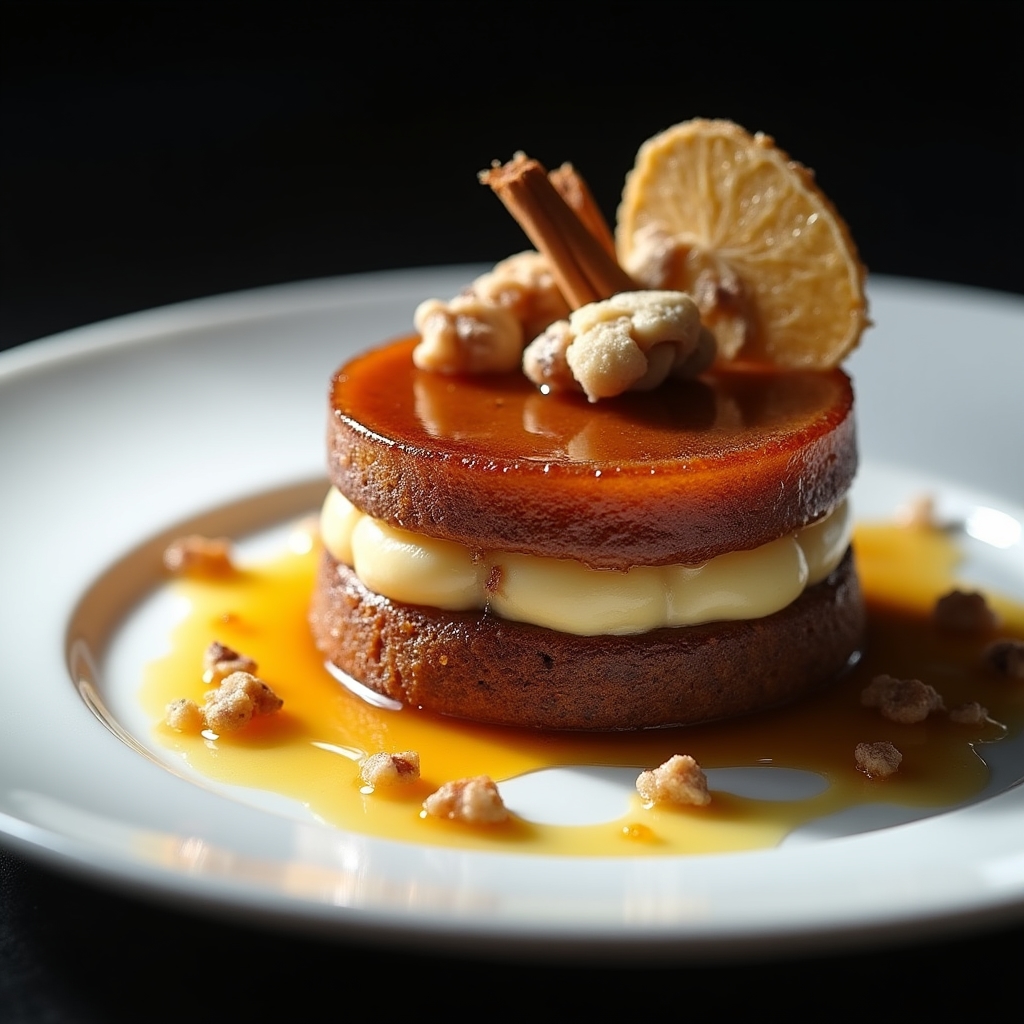
Sallet of Alexanders (Tudor)
This forgotten herb—once common in British gardens—nearly disappeared from culinary use by the 19th century. Through collaboration with heritage seed preservationists, we've reintroduced this distinctive plant with its complex celery-myrrh flavor profile. The dish reconstructs Tudor salad preparations using period-appropriate dressings and presentation methods, offering a direct taste connection to everyday Tudor eating habits rarely found in contemporary dining.
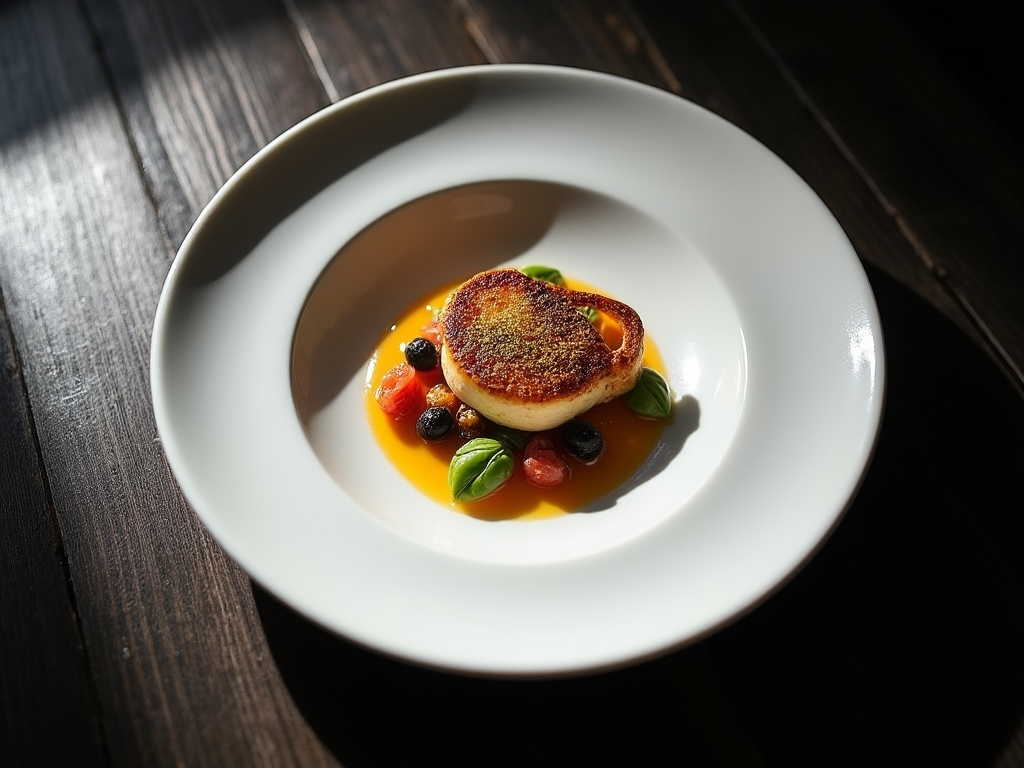
Taffety Tart (Stuart Era)
This elegant apple preparation—featuring rose water, candied citrus, and spices—demonstrates sophisticated dessert-making techniques of 17th-century English households. Our research through household records and private recipe collections revealed how this dish marked seasonal celebrations and showcased the technical skill of household cooks. The distinctive latticework pastry top (resembling taffeta fabric, hence the name) requires specialized techniques largely forgotten in contemporary baking.
Ethical and Environmental Principles
Heritage Producer Relationships
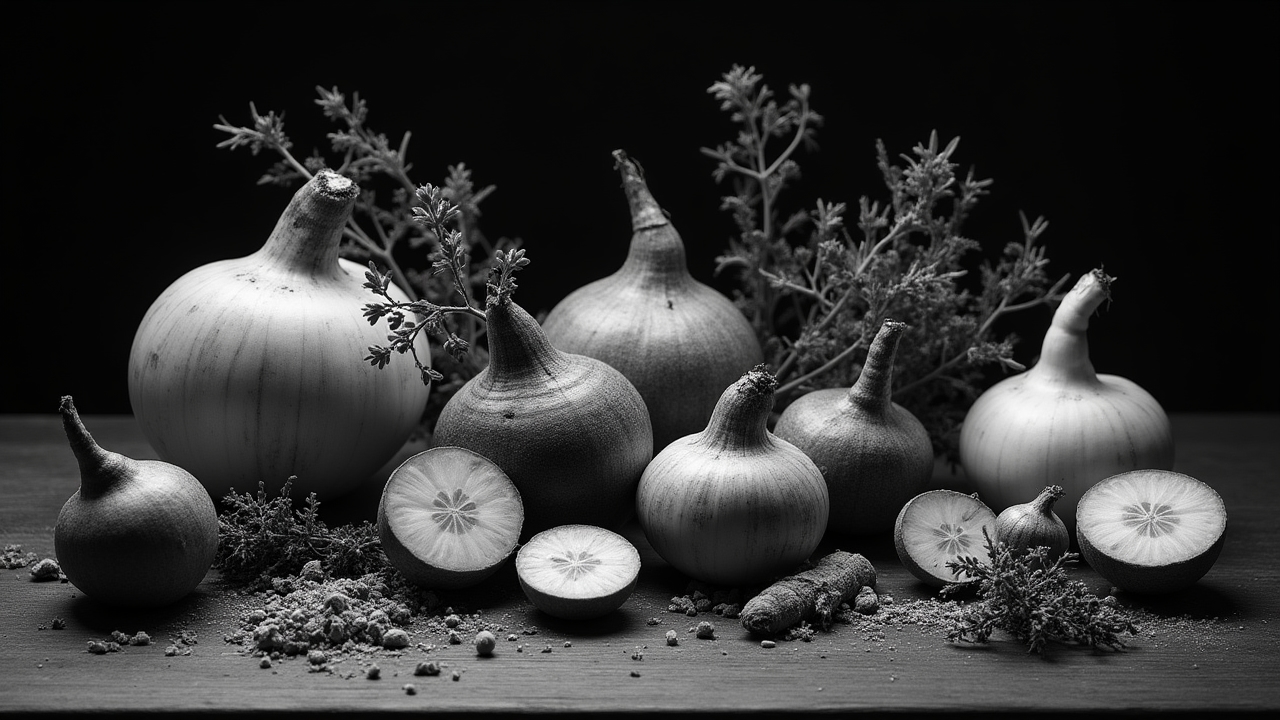
We work directly with small-scale farmers, foragers, and producers who maintain rare heritage varieties and traditional husbandry methods. These partnerships support biodiversity conservation while providing us with ingredients that more closely resemble those available in historical periods.
Whole-Animal Approach
Historical British cookery typically utilized entire animals rather than prizing only select cuts. We honor this tradition by working with ethical producers to source whole animals, using every part in various preparations throughout our menus—a practice that reduces waste while reconnecting diners with thoughtful meat consumption.
Seasonal Discipline
We maintain strict seasonal discipline in our menus, working only with ingredients available in their natural growing season in Britain. This approach not only yields superior flavor but reconnects dining with natural cycles—a fundamental aspect of historical food cultures that has been largely lost in contemporary eating.
Heritage Seed Preservation
We participate in heritage seed conservation networks, growing forgotten varieties in our kitchen garden and supporting larger preservation efforts. Many historical recipes call for plant varieties that have nearly disappeared; by helping preserve these genetic resources, we ensure the continued possibility of authentic historical cookery.
Experience Historical British Cuisine
Join us for an evening of culinary time travel and discover the forgotten flavors of Britain's rich gastronomic past.
Book an EveningGet in Touch
Address: 121-123 Long Acre, London WC2E 9PA
Phone: +44 207 014 8718
Email: bookings@lanevora.com